This June, in partnership with our co-host, Downtown Detroit Partnership, Project for Public Spaces welcomed a sold-out crowd of 642 placemakers from 177 cities across 12 countries in Detroit, Michigan, USA, for the 5th International Placemaking Week.
This year's conference left a lasting impression, showcasing a city that stands as a true model for placemaking. From its remarkable public spaces to the inventive organizations working on the ground, Detroit offered attendees an unparalleled backdrop for learning and inspiration.
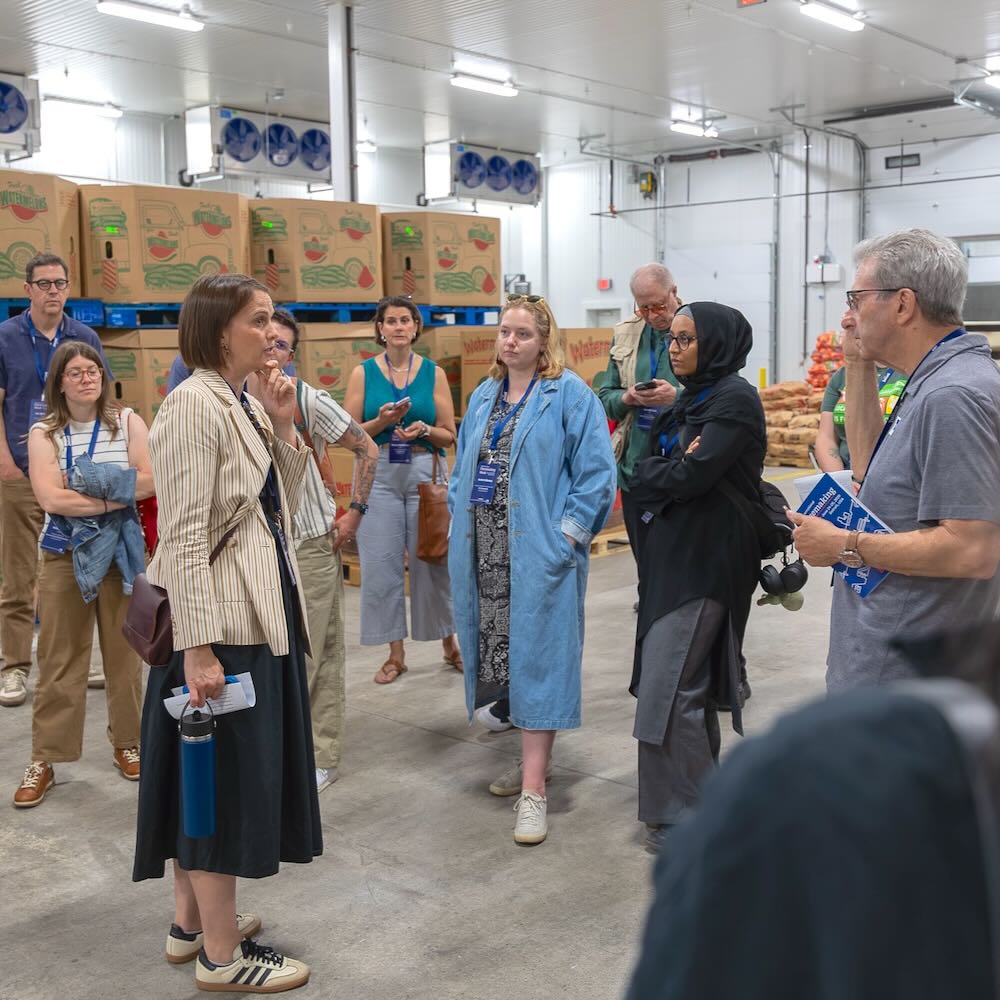
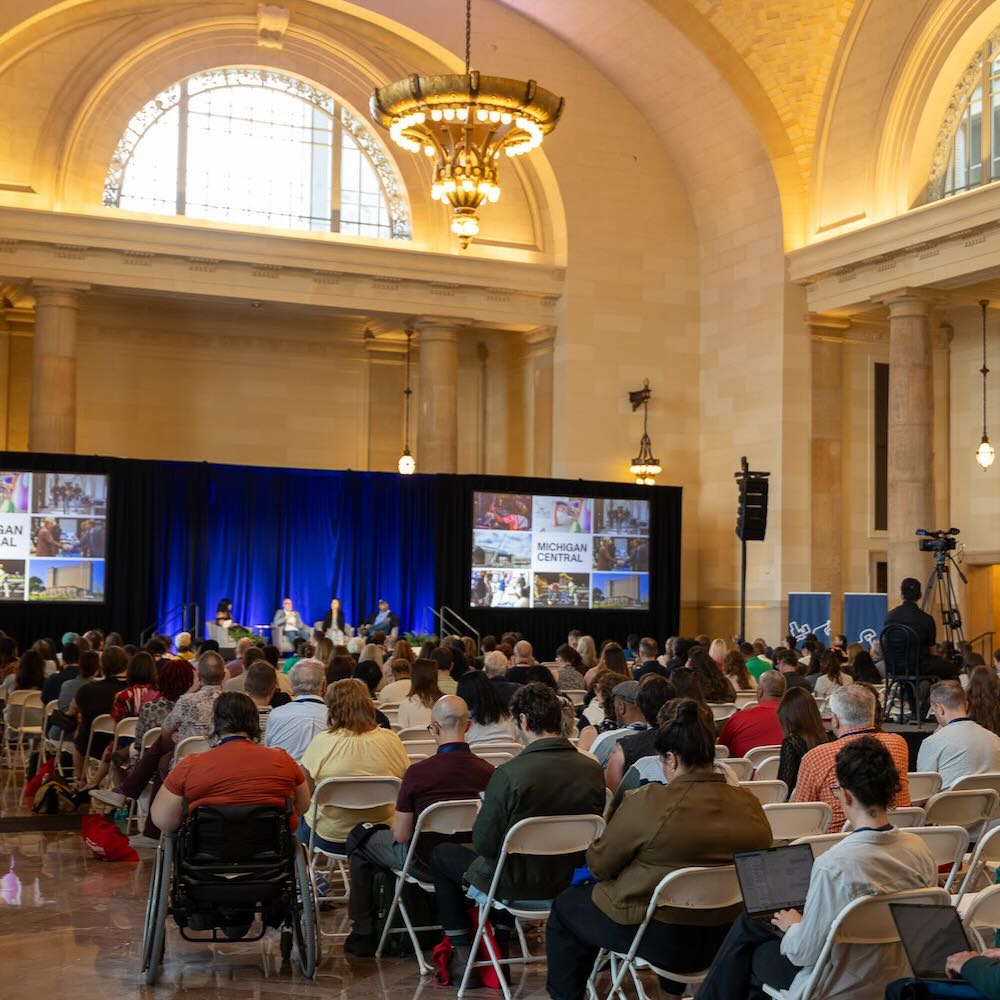
This year’s biggest placemaking event took place over three days and featured plenaries, breakout sessions, on-site and mobile workshops, networking receptions, and more. The proceedings were held at a number of special sites around Downtown Detroit, including beloved public spaces like the Detroit Riverfront, Belle Isle, and Eastern Market. We featured two downtown gems—Campus Martius Park and Beacon Park—as our two Parties in the Park. Sessions were held in iconic venues like the Harmonie Club, Michigan Central, Newlab, and The Department at Hudson’s, and mobile workshops took place in neighborhoods across the city, from Fitzgerald to New Center to Little Village.
.jpeg)
.jpeg)
.jpeg)
.jpeg)
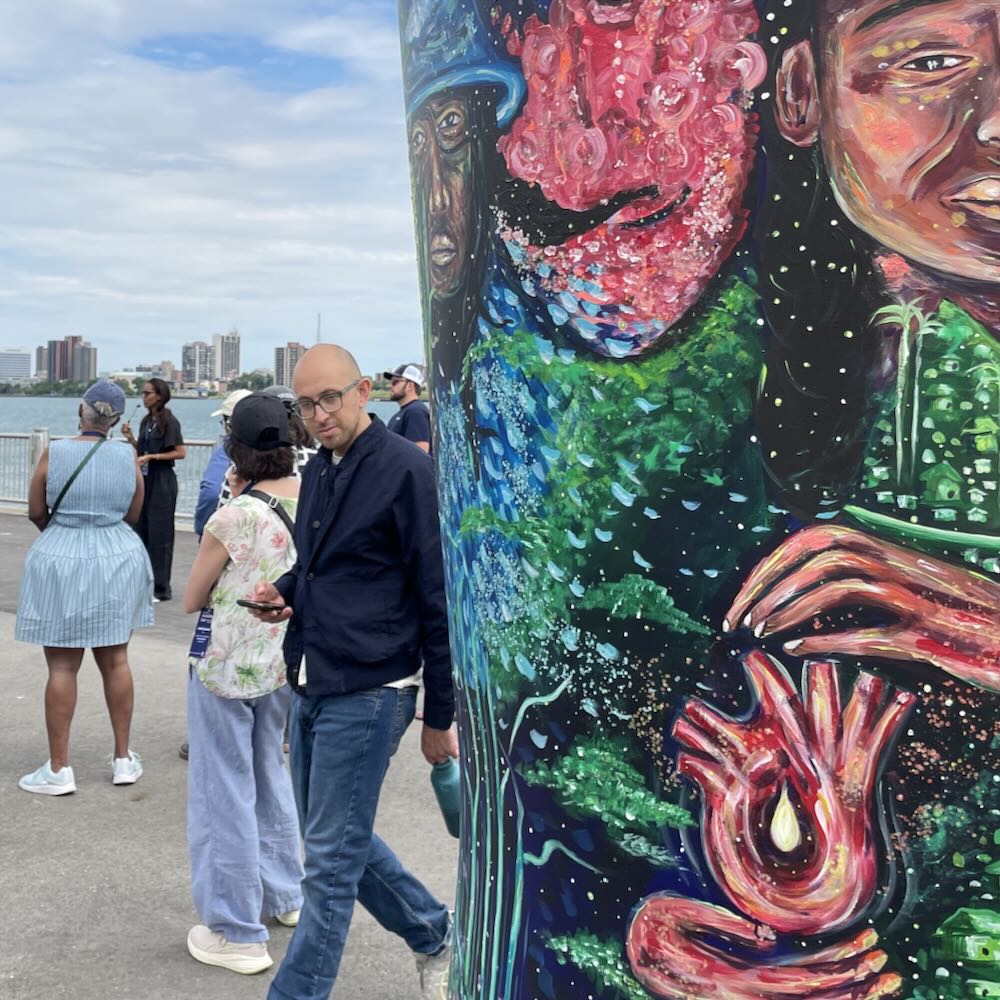
Placemaking Week brought together an international audience to experience placemaking throughout Detroit, showcased across a wide range of exemplary public spaces, including parks, the waterfront, and neighborhoods where spaces are transformed through creative reuse of neglected and vacant land.
Sparked by Detroit’s story, the theme for this year’s conference, “From Recovery to Resilience through Placemaking,” underscores placemaking’s ability to help cities meet the many challenges of our world today. From affordable housing to social isolation to tightening budgets, Placemaking Week offered a forum to discover how public space can become a catalyst for positive change.

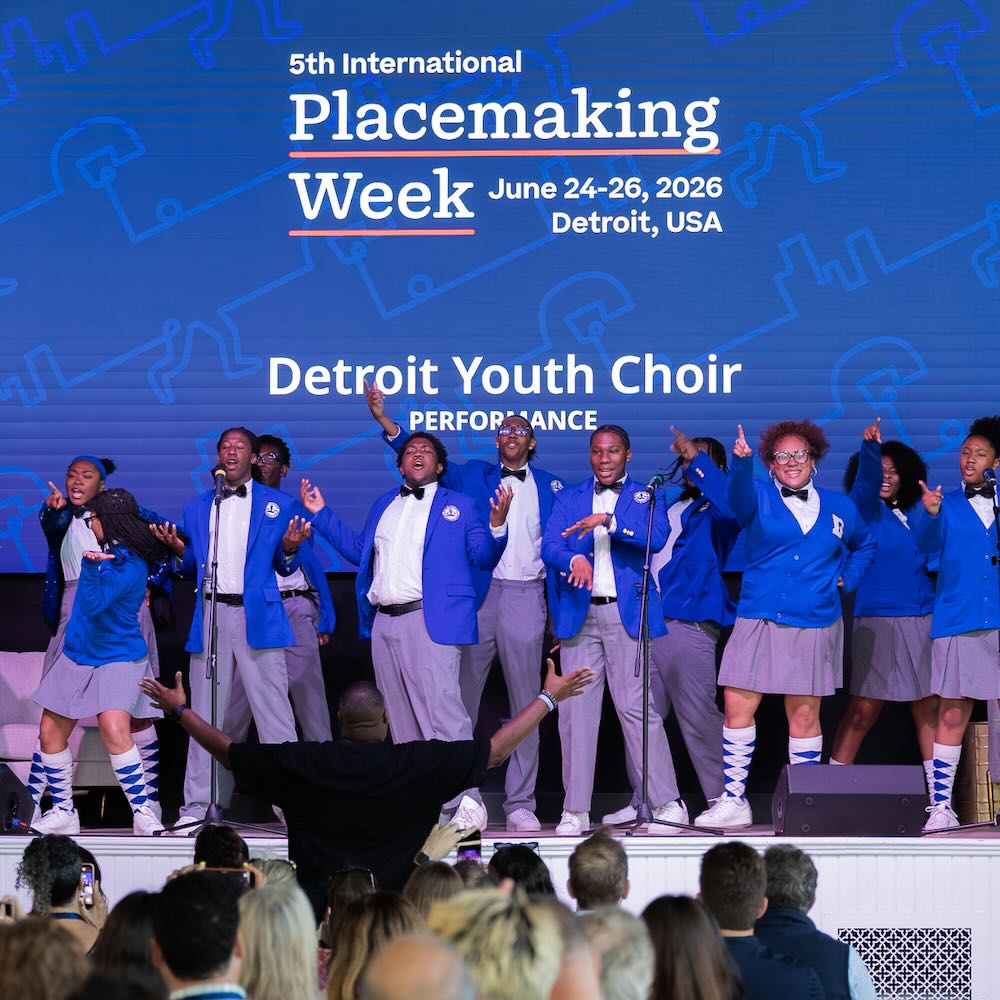
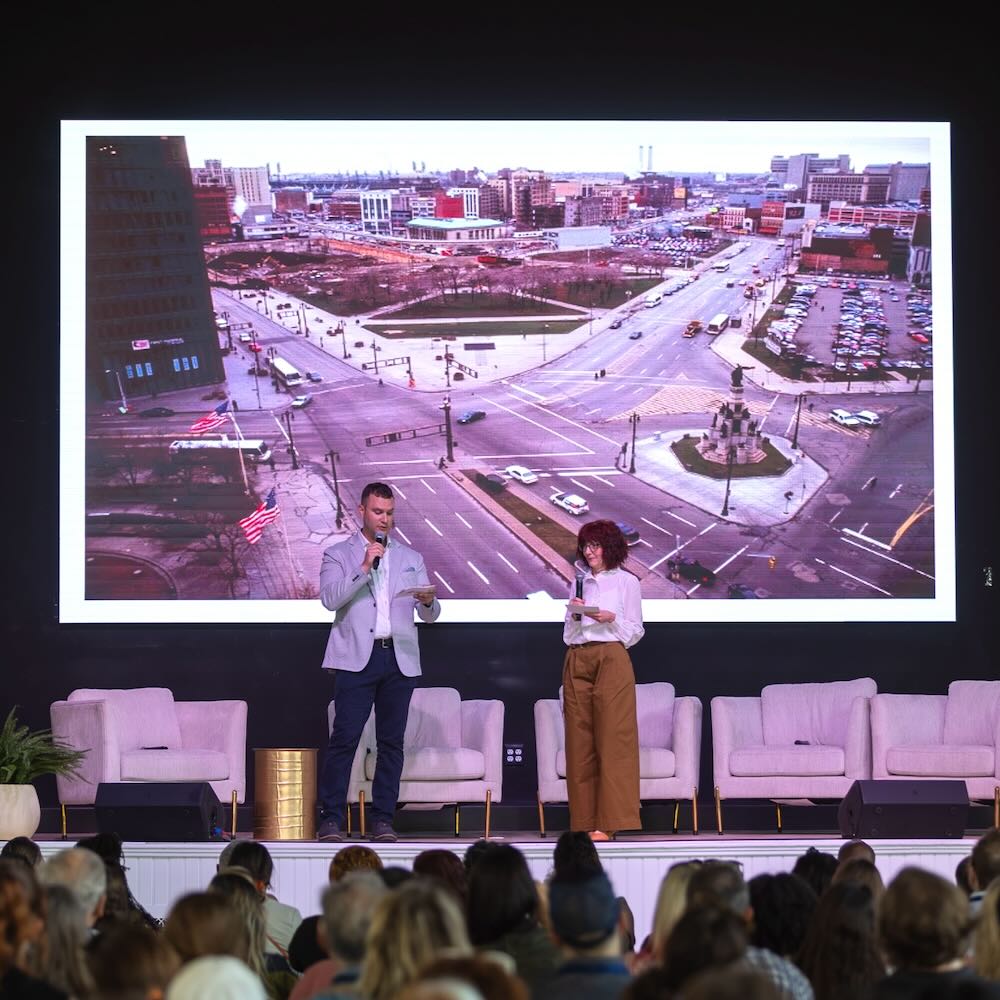
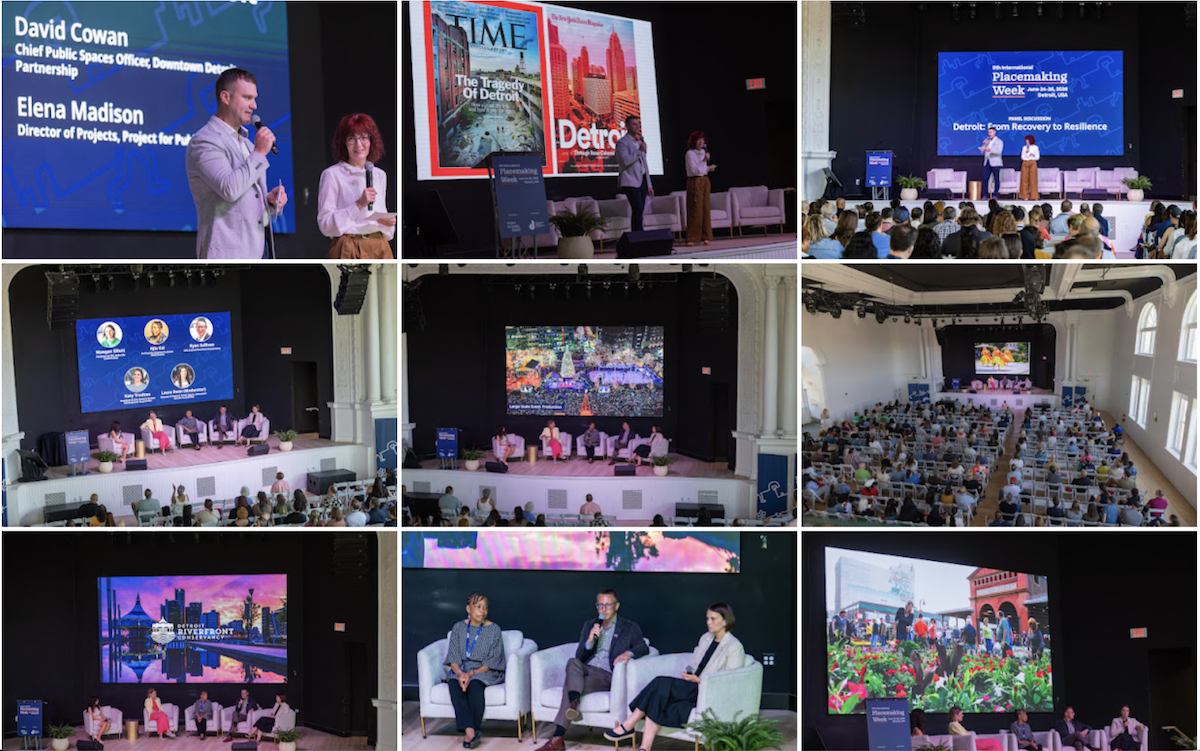
The conference kicked off with an uplifting performance by the Detroit Youth Choir, followed by a look back at Detroit's journey from blight to revival—a story of change across the decades, reflected in iconic landmarks like Michigan Central and Eastern Market, and the corridors that connect them.
Detroit's transformational projects like the Riverfront, the Joe Louis Greenway, bustling public markets, and gathering spaces demonstrate how community-centered placemaking turns forgotten spaces into thriving destinations that strengthen community identity and civic pride. Hearing from the leaders behind these iconic public spaces, we traced two decades of transformation to show how parks, markets, and waterfronts became central to Detroit's revival, turning hard times into opportunities for reinvention—putting the city on a path to becoming a model for cities nationwide.
But even successful public spaces are never finished.
Detroit offers a deeper lesson: its resilience is really about ongoing transformation. What the city ultimately teaches is that resilience isn't just grit—it's the ability to embrace impermanence and keep remaking [oneself]. At Eastern Market, for example, the recent addition of Shed 7, a modern storage facility, will bolster operations that support the local food supply for decades to come.
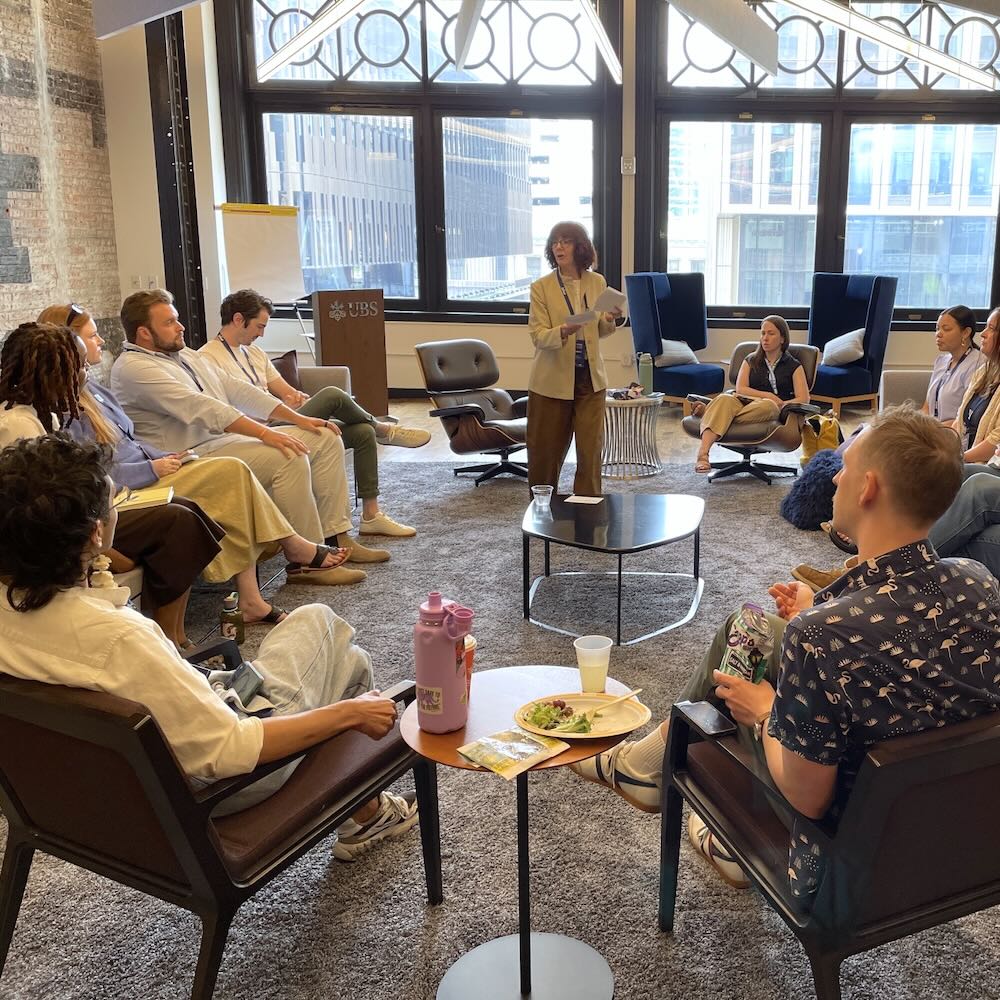
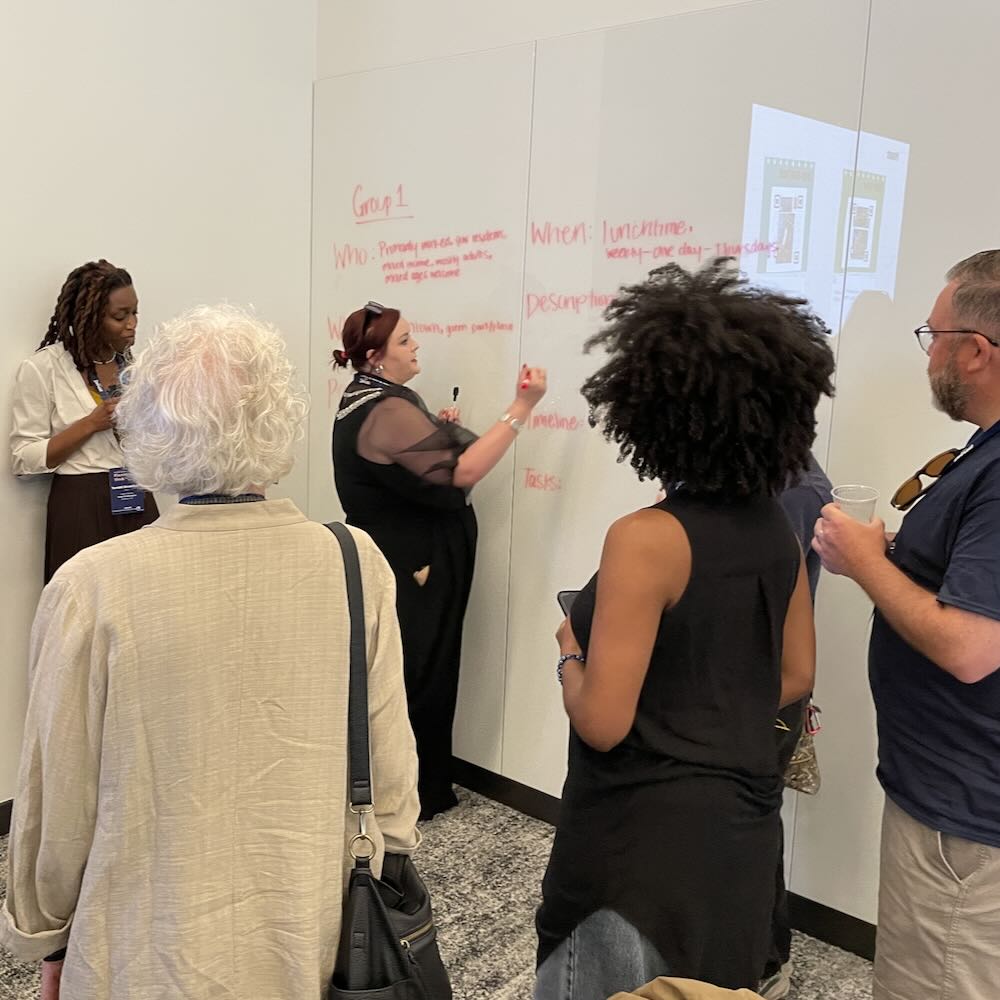

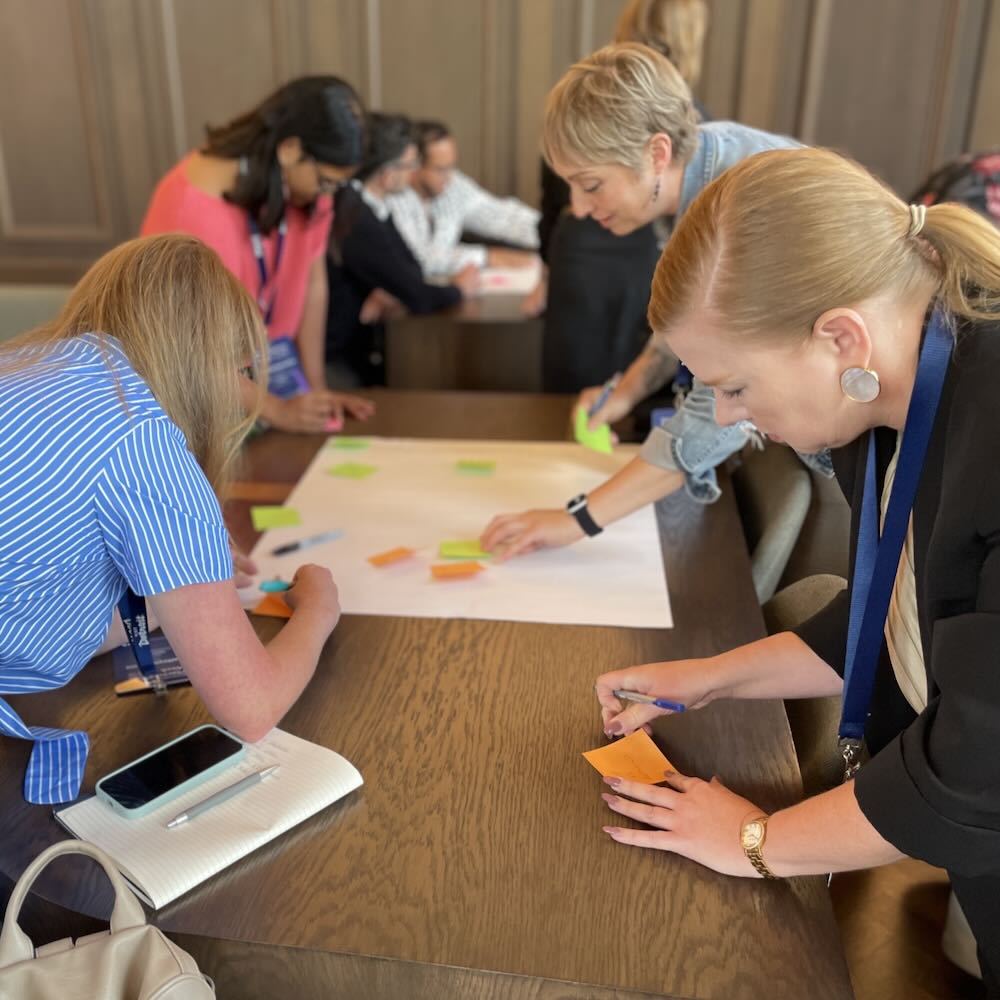
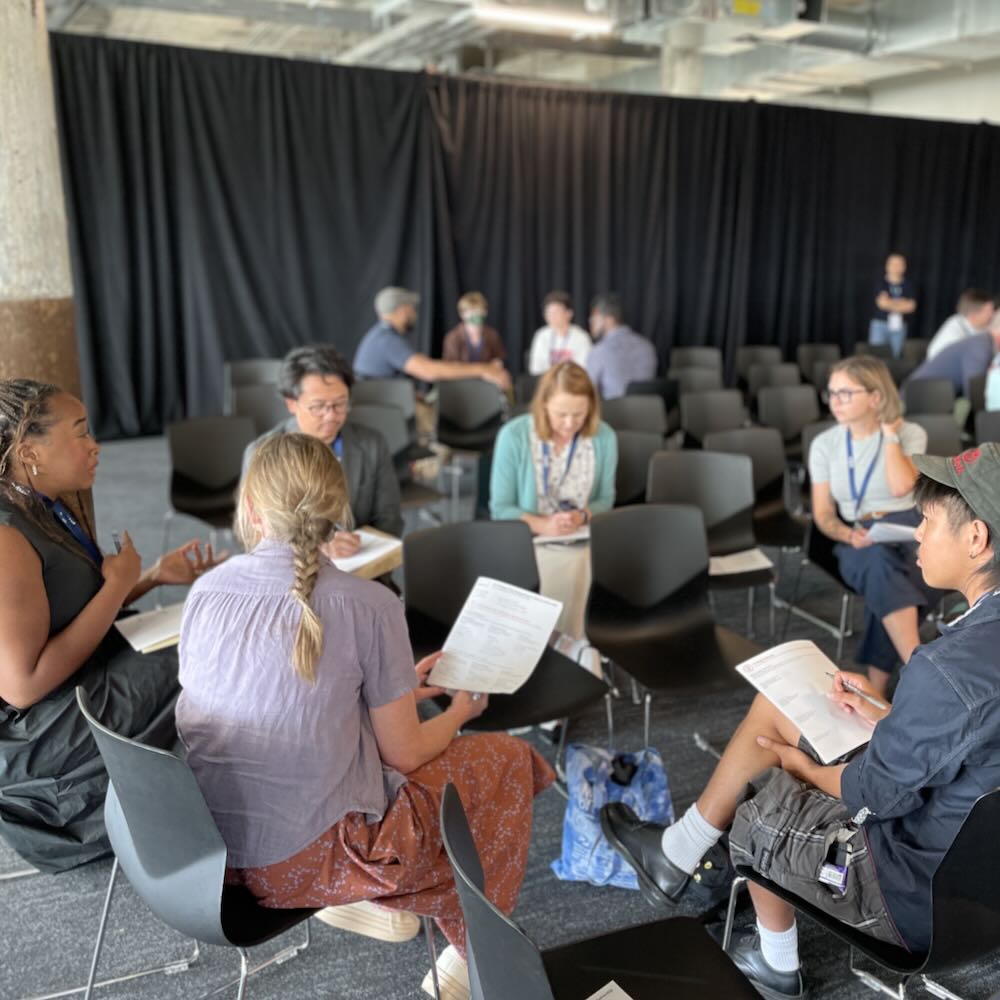
At breakout sessions, attendees immersed themselves in in-depth discussions, sharing their issues and initiatives, exploring concrete strategies, and building connections across borders.
“Public Spaces are never finished. They are always evolving, always serving our visitors, guests, residents, and the broader public. And it is so important that we don’t get locked into one design. It’s important that we get locked into how the public, the stewardship, and the programming work in a space because that ultimately leads to how well used it is.”
—David Cowan, Chief Public Space Officer, Downtown Detroit Partnership
Public spaces and placemaking play a vital role in fostering the vibrant civic life that strengthens democracy, and when the public realm and parks are managed intentionally, they can also advance racial justice and further reinforce democracy. On the conference’s second day at the historic Michigan Central, PPS board member Mitchell Silver led a panel discussion titled “Placemaking for a Resilient Democracy,” which made the case that public spaces are where people can practice being in community with those different from themselves and learn to live together, offering a model for how the nation can be together as one.
“It's important that we build trust for the community and make those courageous steps to communicate loud and clear: we are a democratic society and public space belongs to everyone.”
— Mitchell Silver, Mitchell J. Silver LLC & PPS Board Member
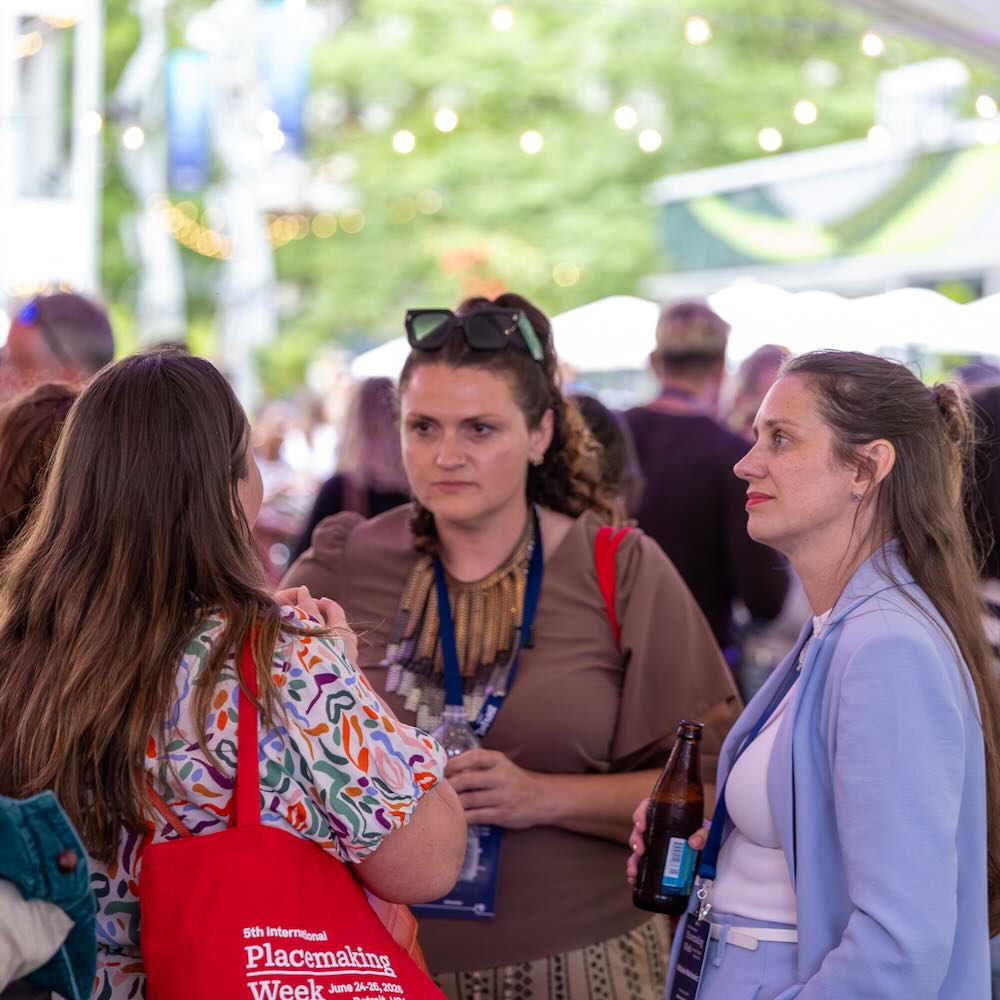
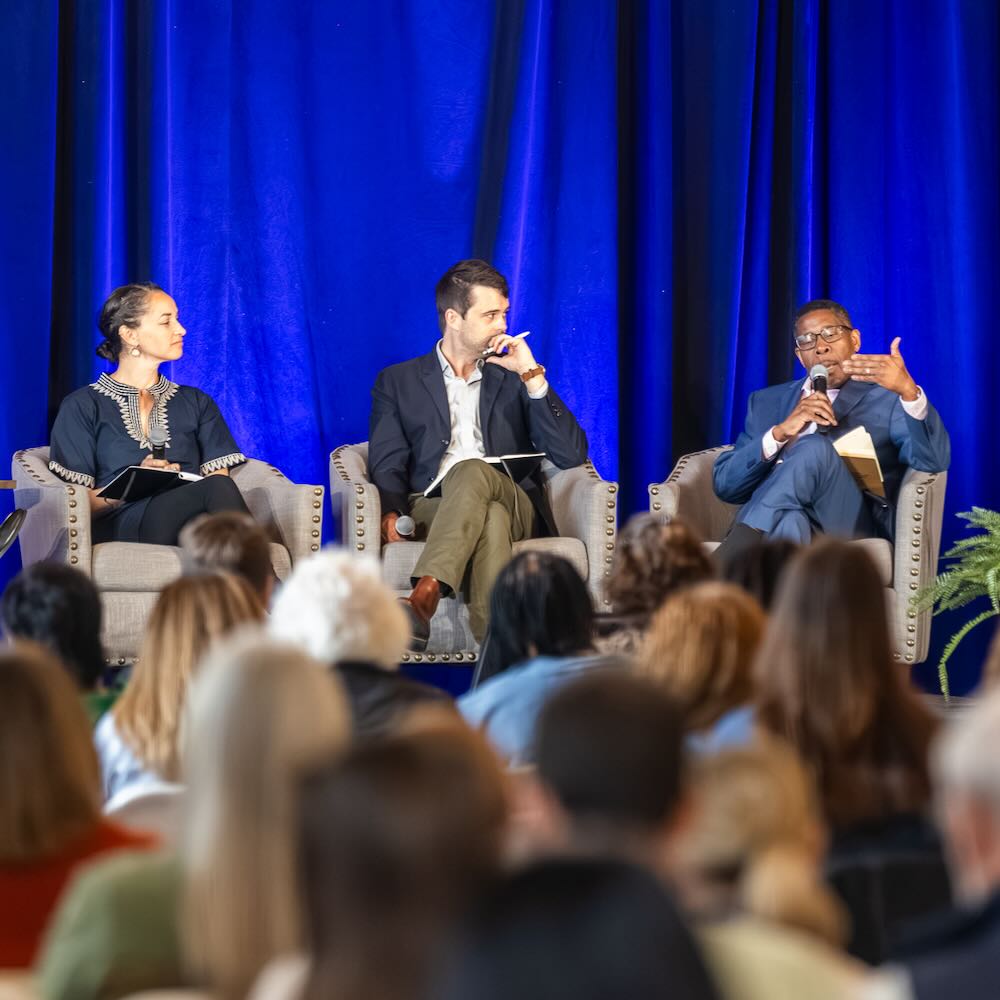
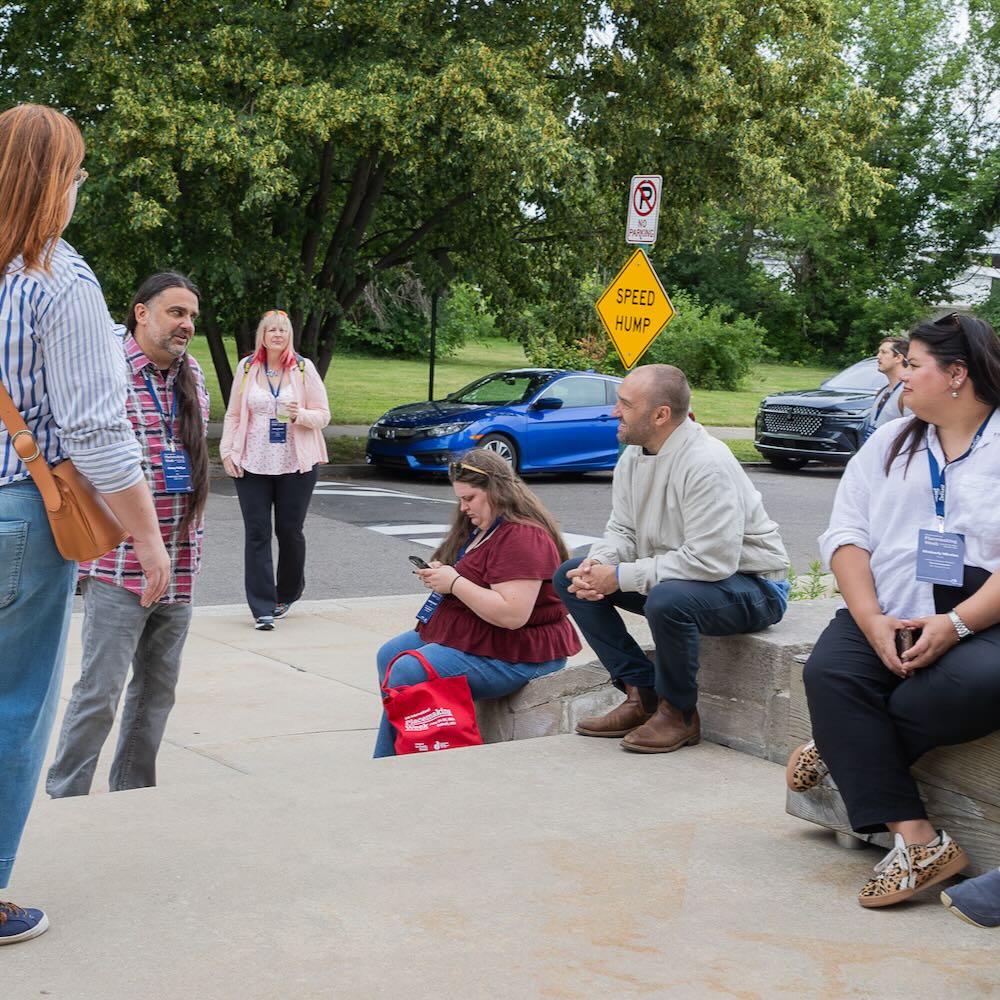
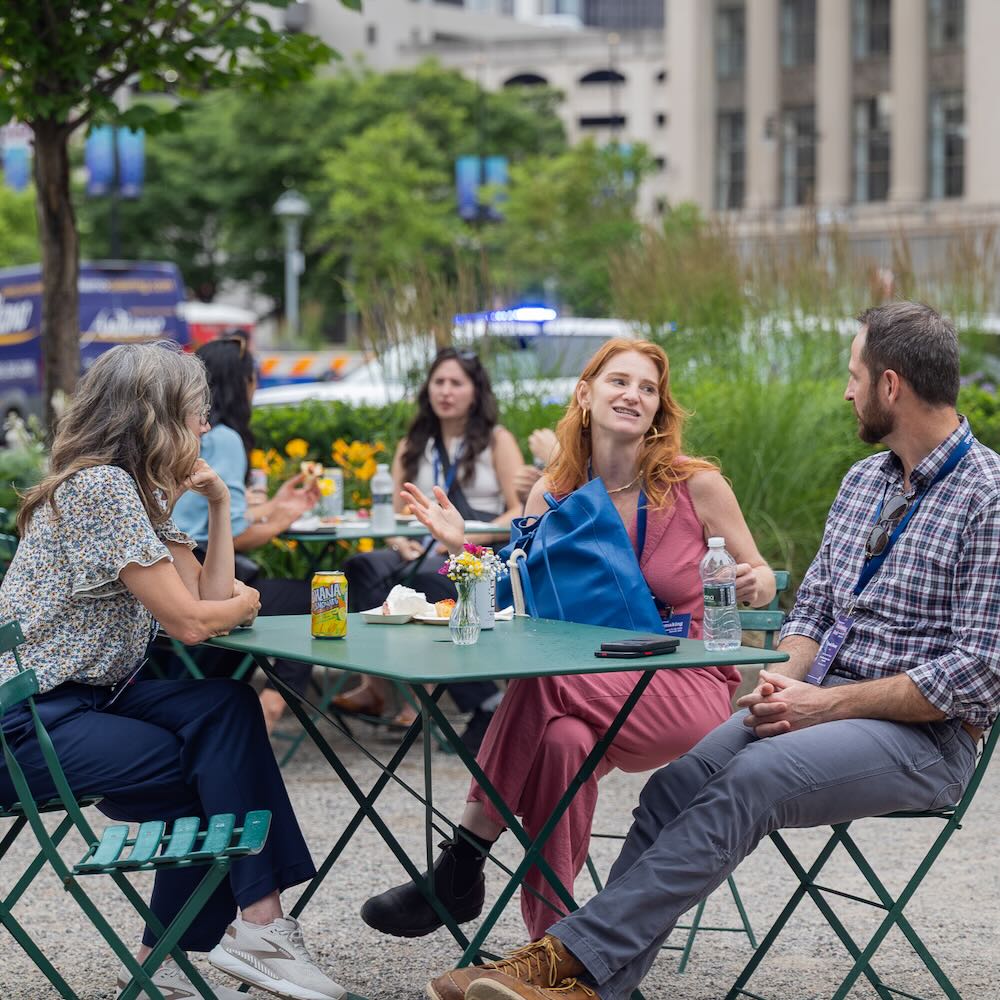

Discussions on the role of public spaces in democracy underscored the vital work of placemaking in strengthening civic life. Social events and mobile workshops also gave attendees the chance to connect with like-minded practitioners putting these principles into action in their own communities.
For our 50th anniversary in 2025, Project for Public Spaces developed a strategic plan with a core goal of building the field of placemaking, and Placemaking Week is essential to that goal. For a multidisciplinary field like placemaking, in-person exchange offers unmatched opportunities for learning and connection.
At Placemaking Week, attendees expressed the sense of belonging and collaboration that defines this growing field, one we’re committed to keeping open and accessible to everyone, regardless of background or experience level. PPS’s scholarships continue to make that access possible for those who need it most. That same commitment showed up in the attendees themselves, whose warmth and openness made newcomers feel welcomed into the community from the very start.
The event brought together the "unusual suspects"—people from outside attendees' usual circles—to foster new relationships and fresh perspectives that extend far beyond the conference itself. This blend of place and people is what makes the experience truly memorable.
The conference “without walls” succeeded not just in generating enthusiasm, but in building genuine professional networks and translating inspiration into applied, real-world impact.
Thank you to all who joined us for the 5th International Placemaking Week! We want to express our sincere gratitude to our cohost, the Downtown Detroit Partnership, for their generosity in welcoming us to their city and showing us how communities can face today's most pressing challenges by learning and working together.
Donate today to support public space improvement projects in parks, streets, markets, and other places in the communities that need them most. Your support provides access to resources like training, networking, and events.





.png)






Celebrating its 50th anniversary in 2025, Project for Public Spaces has spent the past five decades bringing some of the most successful public places in the world to life. Today, it remains committed to putting community participation at the center of everything it does, from placemaking partnerships with corporations and foundations to workshops, trainings, conferences, on-the-ground design and planning services, and more. The interdisciplinary team has helped over 3,500 communities in 52 countries create inclusive places that change society for the better. Project for Public Spaces is a 501(c)(3) tax-exempt organization.